Products that make you want to cook
I discover

Spices
Sort by :
Discover our selectionof spices to add flavor, spice, and variety to your everyday recipes. Turmeric, curry, paprika, cardamom, cloves, and chili peppers: Sainte Lucie helps you cook with ease, according to your preferences and the level of intensity you’re looking for.
-
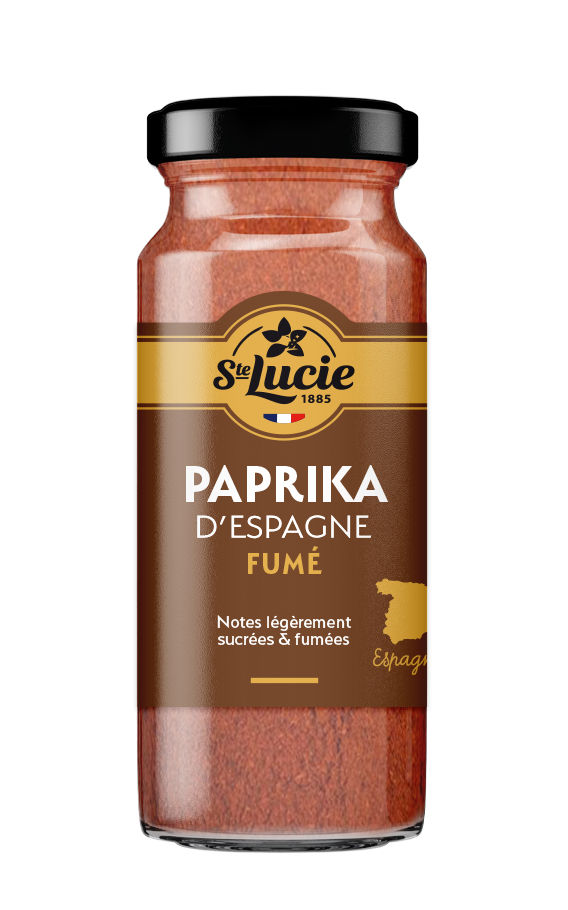
Smoked paprika from Spain
2,99 € New
-
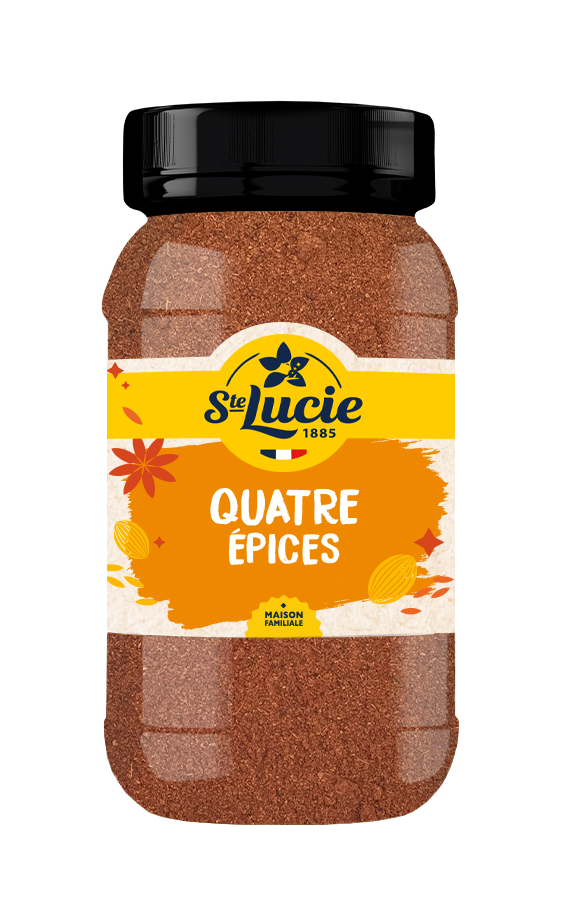
Four-Spice Jar
Ground
8,97 €
New -
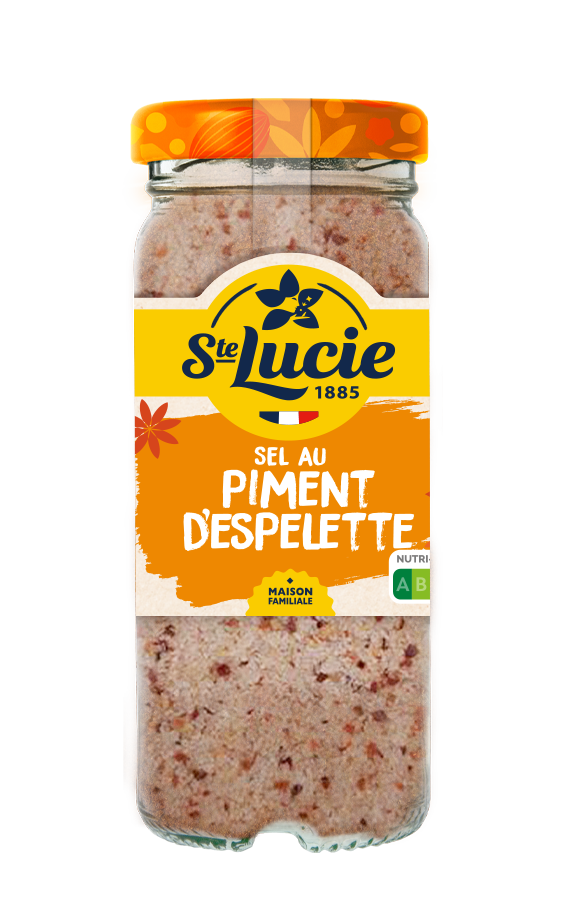
Espelette Pepper Salt (AOP)
5,95 €
New -
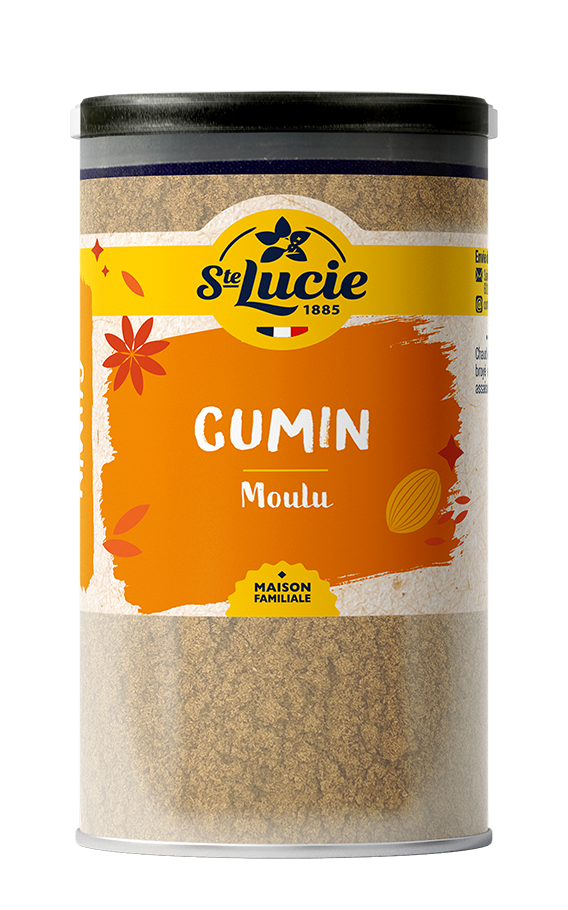
Cumin Case
Ground
3,89 €
New -
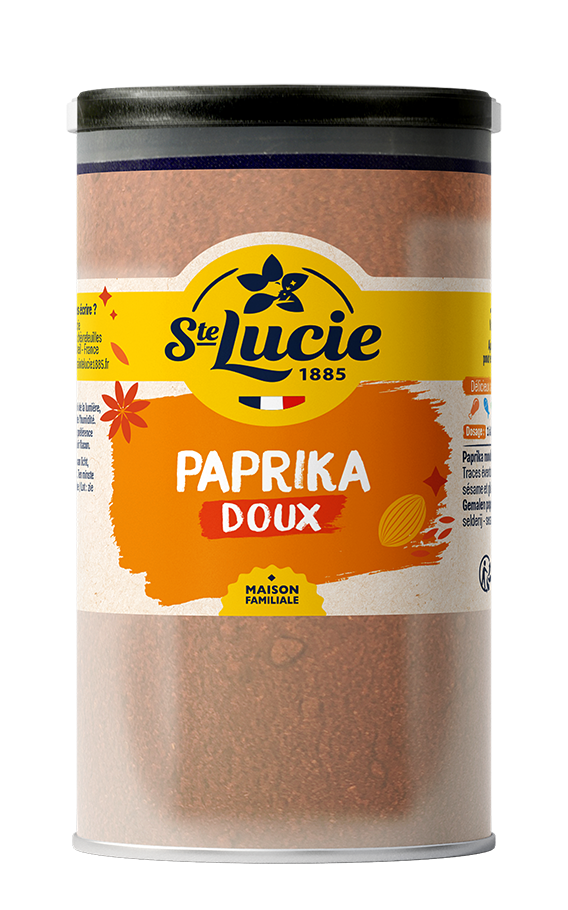
Sweet Paprika Case
3,45 €
New -
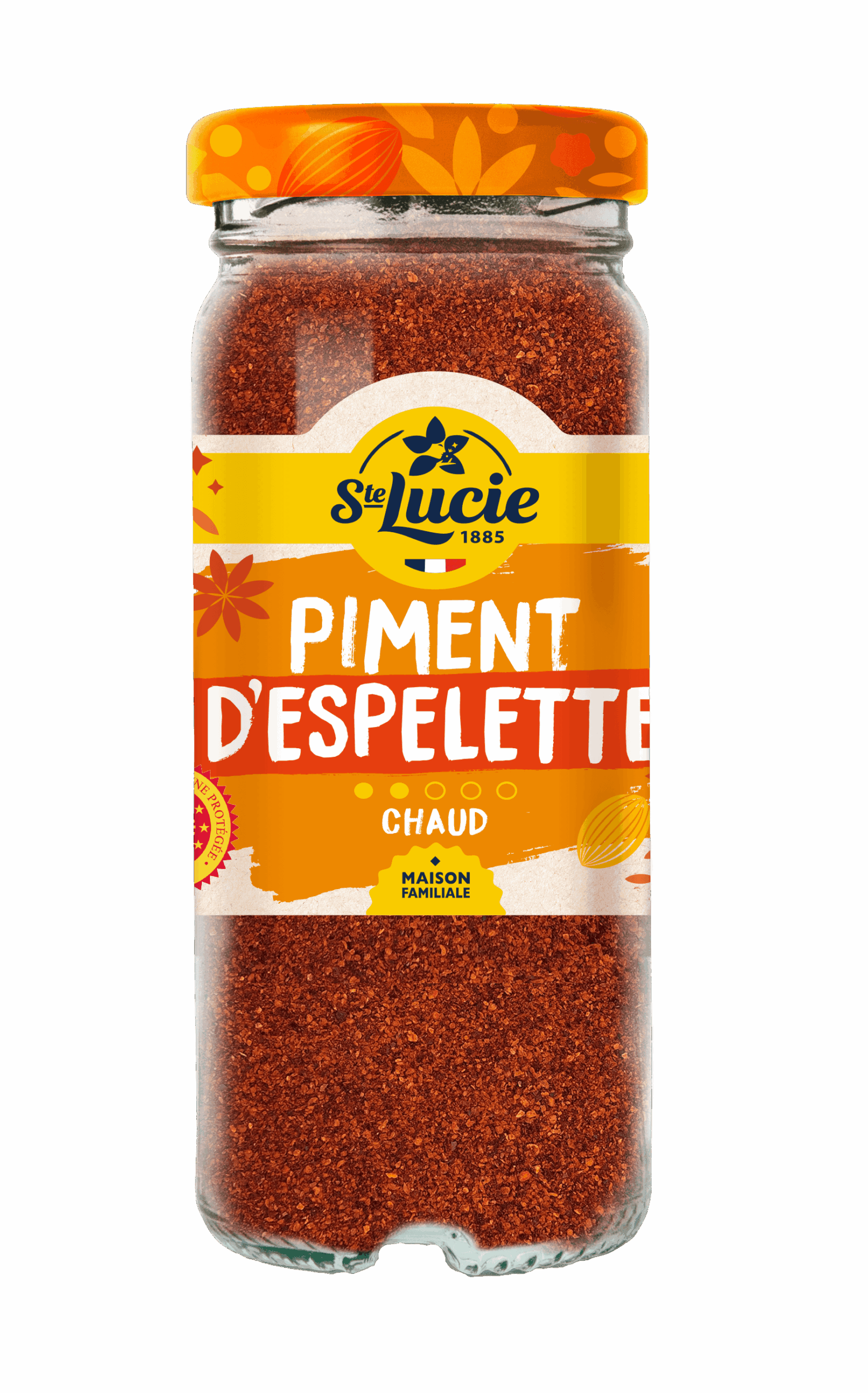
Espelette pepper
PDO
9,97 €
-
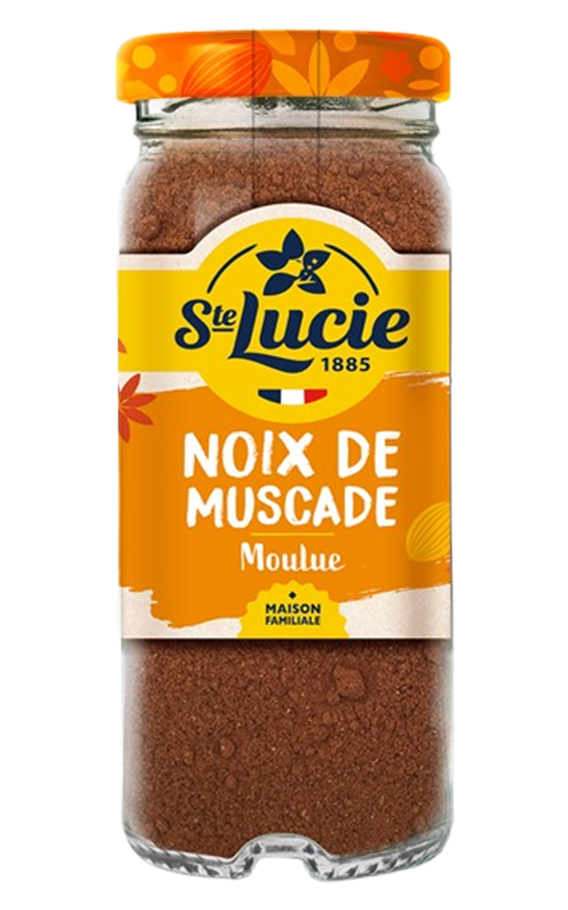
Nutmeg
ground
2,97 €
-
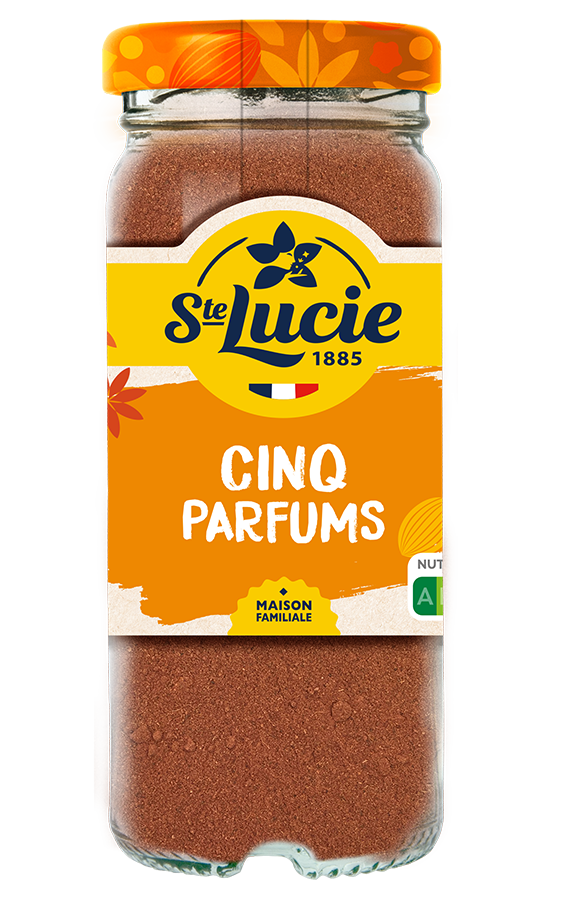
5 scents
2,37 €
-
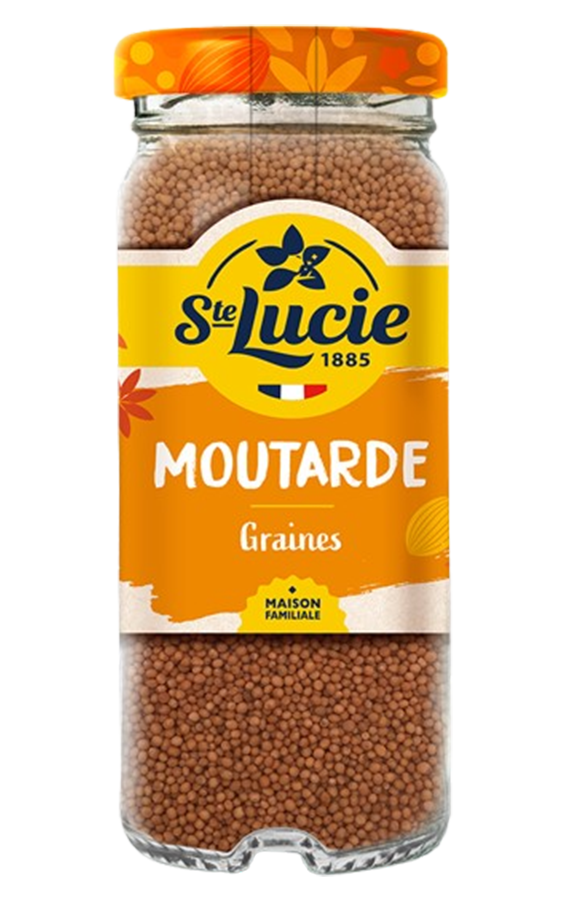
Mustard
Seeds
1,97 €
-
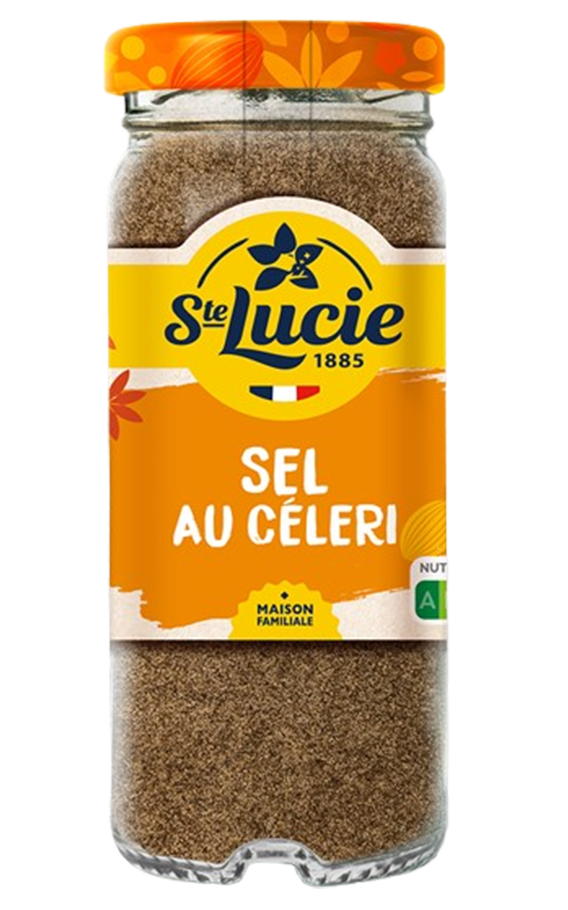
Celery Salt
Ground
2,25 €
-
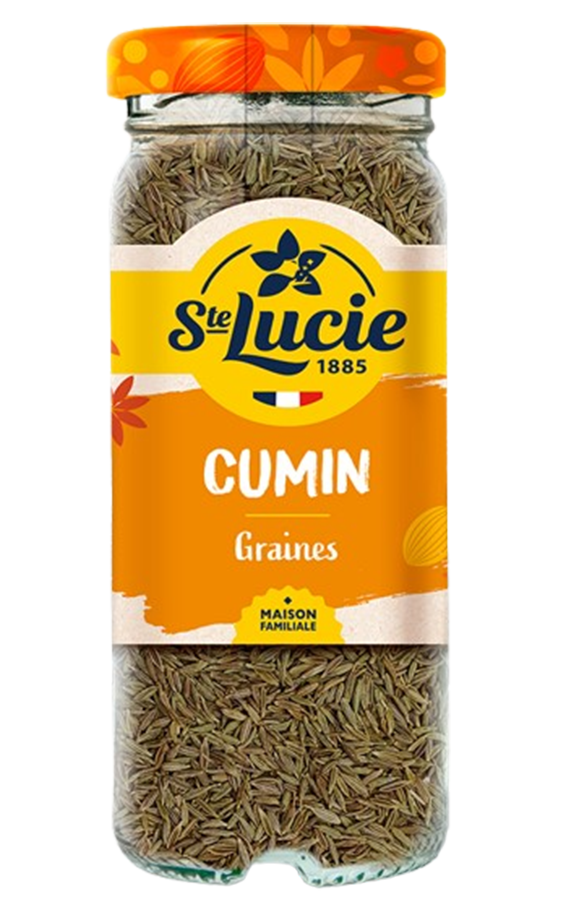
Cumin seeds
2,69 €
-
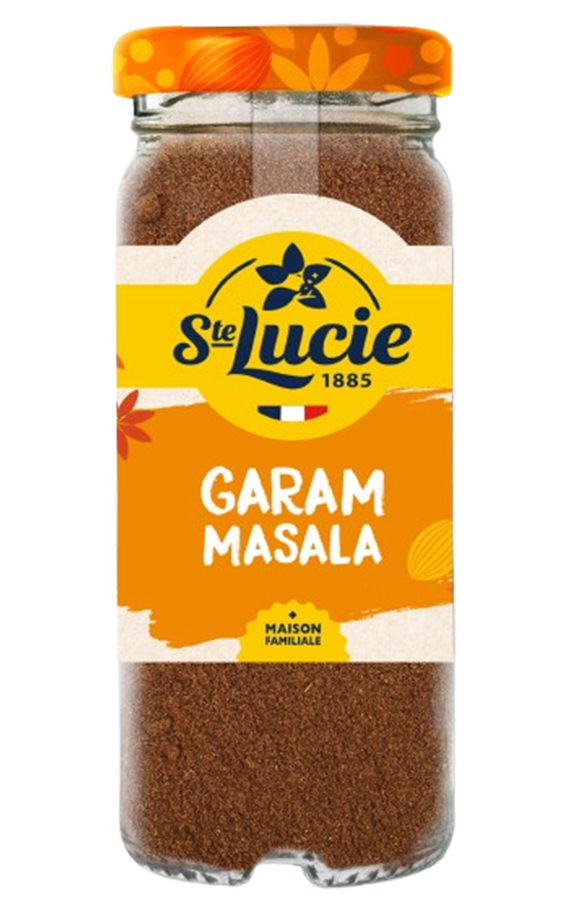
Garam Masala
Ground
2,25 €
-

Free delivery
on orders over €50 -

Payment
secure -

Free sample
on all orders -

Got a question?
We're here to help
Spices to add flavor to all your recipes
Sainte Lucie 's spices add color, aroma, and character to everything from the simplest dishes to the most elaborate recipes. A pinch of turmeric in rice, smoked paprika on roasted vegetables, or a little curry in a sauce is all it takes to transform an everyday meal.
Our selection includes ground and whole spices, as well as flavors inspired by cuisines from around the world. Red curry, green cardamom, cayenne pepper, habanero pepper, cloves, and ras el hanout: choose the seasoning that suits your recipe, then adjust the amounts to your taste.
Which spices should you choose for your recipe?
Each spice has its own unique flavor profile. Some add sweetness, others a spicy heat, and still others a smoky note. Here are a few tips to help you pair them effectively with your dishes.
For stews and sauces
Curry, turmeric, and ras el hanout are particularly well-suited for sauces, vegetable dishes, slow-cooked meats, and recipes inspired by Indian, Middle Eastern, or Creole cuisine. They can be added at the start of cooking to allow their flavors to develop gradually.
Red curry easily enhances coconut milk, tomato sauce, sautéed vegetables, or a marinade. Turmeric, on the other hand, adds a warm flavor and a beautiful golden color to rice, soup, sauce, or a lentil dish.
For vegetables, grilled foods, and marinades
Smoked paprika adds a rich, woody flavor to potatoes, roasted vegetables, grilled meats, sauces, and vegetarian dishes. You can also use it to spice up a marinade before cooking.
From the mildest to the hottest, chili peppers let you tailor the flavor of your dishes to your liking.
Espelette pepper adds an aromatic heat; Cayenne pepper, jalapeño, chipotle, and habanero peppers are ideal for recipes that call for a more intense flavor. Explore our entire selection of peppers to find the one that suits your taste.
For a fragrant and unique touch
Green cardamom adds fresh, slightly lemony notes to rice dishes, curries, sauces, marinades, and dishes inspired by Indian or Middle Eastern cuisine. Cloves are used in small amounts to flavor broth, sauce, a stew, or a marinade.
Four-spice blend typically combines cinnamon, ginger, nutmeg, and cloves. It pairs well with many sweet and savory dishes, such as terrines, stews, compotes, and certain desserts. Sainte Lucie describes its four-spice blend as a mixture of cinnamon, ginger, nutmeg, and cloves, suitable for both sweet and savory dishes.
How do you use spices in cooking?
Ground spices are easy to add to sauces, marinades, soups, rice dishes, or vegetable dishes. To bring out their flavors, sauté them for a few seconds over low heat in some fat along with your other ingredients, being careful not to let them burn.
Whole spices, such as cloves or cardamom pods, can be added to a broth, rice, or sauce to infuse their flavor. Remove them before serving, if necessary. Always start with small amounts: you can always add more, but it’s harder to tone down seasoning that’s too strong.
To create well-balanced flavors, pair a warm spice, such as turmeric or cumin, with a milder or smokier note, such as paprika. You can also use a ready-made blend when you want to season a dish quickly.
Spices and spice blends to add variety to your flavors
With spices, every recipe becomes an opportunity to discover new flavor combinations. The same vegetable can take on different flavors depending on the seasoning you choose: smoked paprika for a hearty stir-fry, curry for a creamy sauce, ras el hanout for a recipe with Middle Eastern notes, or chili pepper for a more intense kick.
Stock your pantry with our spice blends, fresh herbs, and assortments of pepper and salt. These essentials make it easy to season everyday meals, create your own marinades, and adapt recipes to the seasons.
Want to get cooking? Check out our savory recipes and discover how to use our spices in simple, flavorful, and delicious dishes.
Frequently Asked Questions About Spices
What spices should you have in your kitchen?
For everyday cooking, just a few essential spices are enough to add variety to your recipes: turmeric, paprika, curry, cumin, pepper, cinnamon, and chili pepper. They go well with vegetables, meats, fish, sauces, soups, rice dishes, and stews. You can also add cardamom, cloves, or spice blends like ras el hanout and four-spice.
How do you choose a spice for a dish?
Choose your spice based on the type of recipe and the flavor you’re looking for. Turmeric adds a warm note and a golden color; paprika adds a mild or smoky touch; curry works well in dishes with sauce; and chili peppers enhance the intensity. For a dish inspired by North African cuisine, ras el hanout is a good choice; for sauces, marinades, and sautéed vegetables, curry, cumin, and turmeric are solid foundations.
How can you use spices without adding too much?
Start with a small amount, then taste and adjust the seasoning as needed. Strong spices, such as chili peppers, cloves, or cardamom, should be used very sparingly. Briefly sauté the ground spices over low heat in a little oil or butter along with the other ingredients to release their aromas.
What is the difference between a spice and a spice blend?
A spice is used on its own: turmeric, paprika, cumin, chili pepper, or cardamom, for example. A spice blend combines several ingredients to achieve a specific flavor profile, such as curry, ras el hanout, or four-spice blend. Blends are convenient for quickly seasoning a recipe, while individual spices allow you to measure out the right amount and create your own combinations.