4 Tips for Quick Recipes
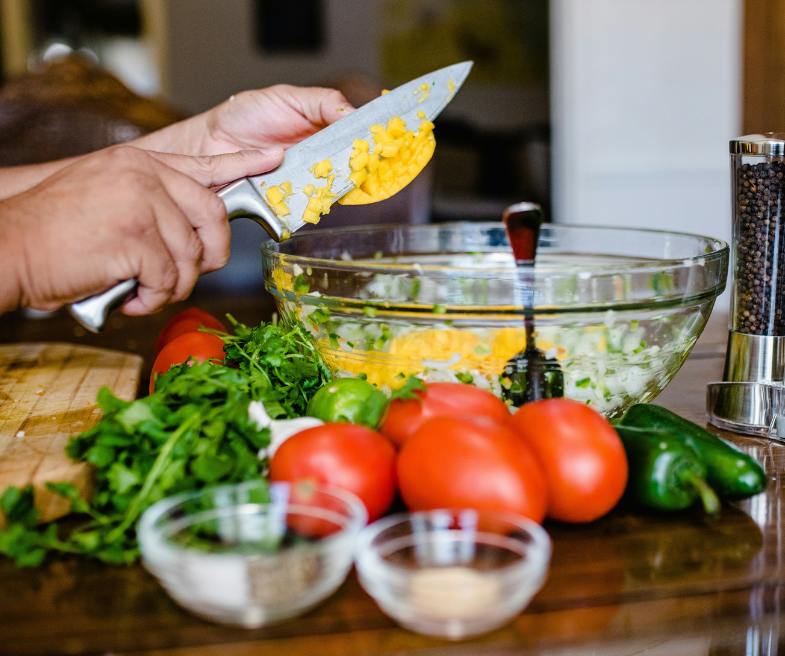
Between work, the kids, commutes, and whatever little energy is left at the end of the day, cooking a balanced and delicious meal every night can sometimes be a challenge. However, there’s no need to sacrifice flavor for speed. With a little organization and the right habits, it’s entirely possible to prepare quick, delicious, and hassle-free meals.
Here are our 4 must-know tips for saving time in the kitchen:
1. Preparing meals in advance: the Sunday routine
The first tip—and undoubtedly the most effective one—is to plan ahead. This is called batch cooking: it involves setting aside some time during the week, often on Sunday, to prepare several basic dishes for the coming days.
Why does it work?
On weekdays, it’s rarely the actual cooking that takes time, but rather the prep work: peeling, chopping, washing, and weighing. By grouping these steps into a single time slot, you eliminate the mental burden of “what should I make for dinner tonight?” and significantly reduce your prep time on weekdays.
How should you get organized?
- Choose a set time slot: Sunday afternoon is ideal, but any available time during the week is fine.
- Prepare your basics: washed and chopped vegetables, cooked grains (rice, quinoa, pasta), and pre-cooked protein (chicken, hard-boiled eggs, legumes).
- Divide into portions and store: Use airtight containers to keep your prepared meals in the refrigerator for 3 to 5 days, or freeze them for longer storage.
- Think versatile: prepare neutral base dishes that you can serve in different ways each day (leftover rice can be turned into fried rice, a cold salad, or a hot side dish).
This small investment of time on the weekend translates into valuable time saved every evening during the week.
2. Use everyday combinations to elevate simple dishes
Once your base ingredients are ready, you still need to add flavor quickly. That's where Sainte Lucie 's spice blends come in—a valuable ally for transforming a simple dish into a flavorful recipe in a single step.
What are the benefits of ready-to-use mixes?
Rather than using a variety of spices and adjusting the amounts for each recipe, a good spice blend already combines the right proportions of herbs, spices, and seasonings. The result: no need to think about flavor combinations—a simple sprinkle is all it takes to enhance a dish.
Here are a few examples that save valuable time every day:
- The pasta mix : Sprinkled directly over al dente pasta with a drizzle of olive oil, it instantly adds a Mediterranean flavor to a simple dish.
- The Omelet Mix : When added to beaten eggs before cooking, it transforms a plain omelet into a flavorful dish—without having to pull out ten different jars of spices.
- Roast Chicken and Poultry Seasoning Mix : Rub it on the chicken before cooking, and in just a few seconds, it will give it the flavor of a roast chicken that’s been simmering for hours.
The Right Habit to Adopt
Keep these mixes within easy reach, near your countertop. The idea is to be able to season a dish in a single step, without having to think about it or look up a recipe. It’s the simplest trick for adding flavor to a quick meal, even one prepared in 10 minutes.
3. Try “one-pot” or “one-pan” cooking
Another major time-saver: reducing the number of utensils and cooking steps by using “one-pot” (everything in a single pot) or “one-pan” (everything in a single pan) recipes.
The concept is simple: all the ingredients (starchy foods, vegetables, protein, cooking liquid) cook together in the same pot at the same time. No more having to keep an eye on multiple pots on the stove at the same time.
The Practical Benefits
- Fewer dishes: just one dish to wash instead of three or four.
- Less supervision: no more need to juggle multiple dishes cooking at the same time.
- Flavors blend together: the ingredients cook in the same liquid, which naturally enhances the dish's flavor without any extra effort.
- Shorter prep time: fewer steps mean a meal that’s ready faster.
Examples of easy one-pot/one-pan dishes
- A risotto in which rice, broth, and vegetables are cooked together.
- Pasta cooked directly in a tomato sauce with vegetables and spices.
- A stir-fry of chicken, vegetables, and grains seasoned with an all-in-one seasoning mix (see tip #2 for an extra time-saving hack).
This cooking method pairs perfectly with the spice blends mentioned above: just one step to season, and one cooking process for the entire dish.
4. Plan a weekly menu so you don't have to wonder what to eat anymore
The last tip—one that’s often underestimated—is actually the one that makes all the difference: planning your meals in advance. The infamous “What’s for dinner tonight?” is one of the main sources of wasted time and stress in the kitchen.
Why does planning make all the difference?
When the menu is decided in advance, there’s no room for hesitation or last-minute improvisation (which often means ordering takeout or eating an unbalanced meal). Planning also lets you shop in advance, avoid food waste, and better spread out recipes that take more or less time depending on the day of the week.
How can you easily put together a menu?
- Take 15 minutes at the beginning of the week to list 5 to 7 meals.
- Vary the difficulty levels: save the quickest recipes (less than 20 minutes) for busy evenings, and the dishes that take longer to prepare for the weekend.
- Reuse your Sunday meal prep (Tip #1) and your everyday mixes (Tip #2) to create varied meal plans without having to start from scratch every day.
- Post your menu on the fridge or in a dedicated app to see the whole week at a glance.
A well-planned menu ensures balanced, varied, and—above all—quick meals, since every decision has already been made in advance.
By adopting these habits, cooking quickly no longer means cooking without flavor. Just a few minutes of planning ahead are enough to transform your daily cooking routine and rediscover the joy of preparing (and enjoying) delicious meals, even on the busiest weeknights.